Emergency Health Mapping Campaign · Saint-Louis, Senegal
When a mother faces complications in childbirth, the nearest emergency facility must be accessible and mapped.
"As a pregnant mother, I want to know where the nearest emergency health service is, so I can plan for potential complications during childbirth."
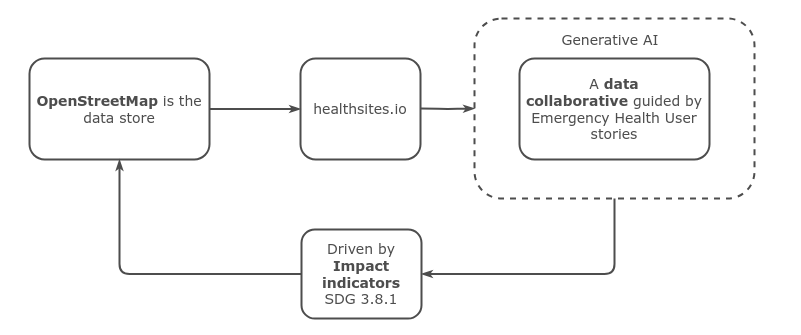
Campaign delivered: ~400 facilities validated and 35 emergency maternal referral facilities identified in Saint-Louis. Fund the data collaborative to keep this data current and extend the work.
- Open data (ODbL)
- No personal data collected
- MoH-validated
- Peer-reviewed methodology (OSM Science, 2023)
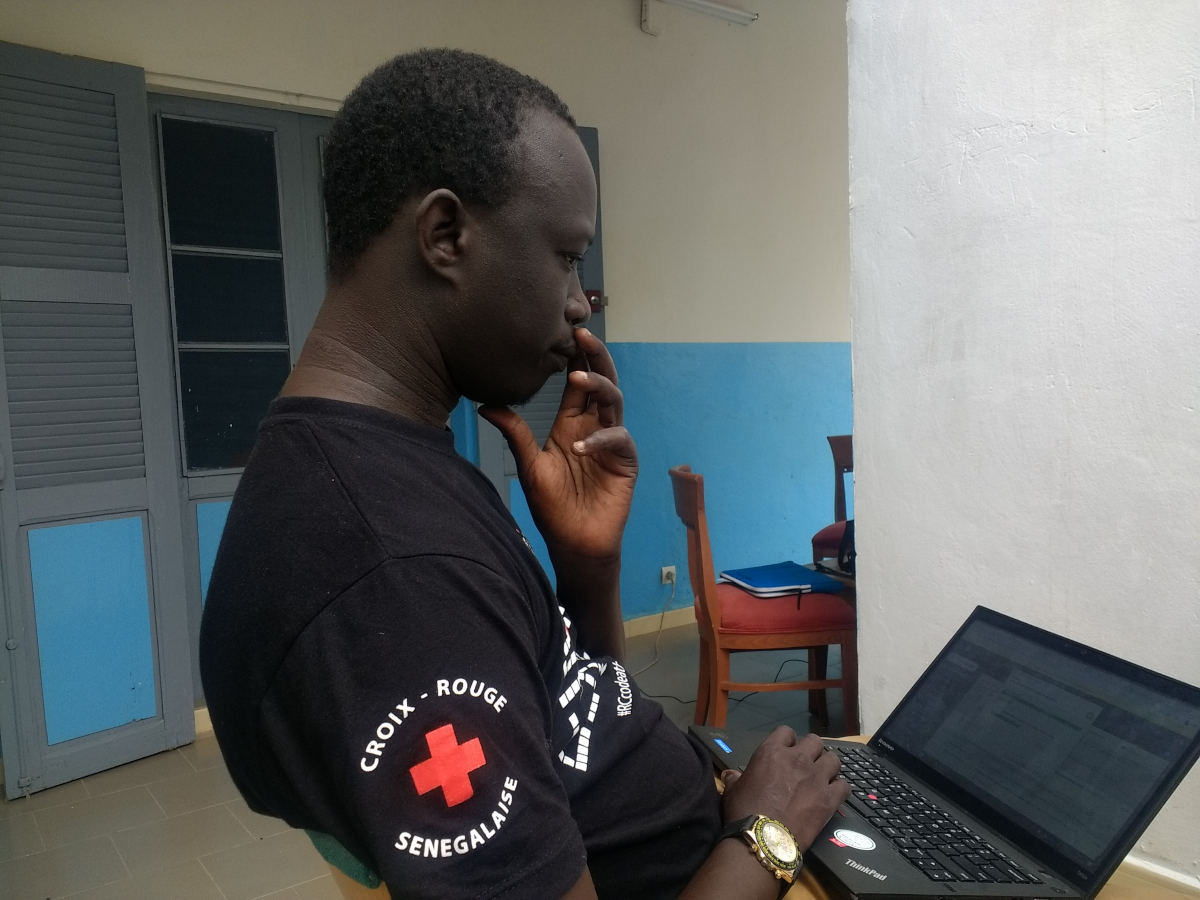
Lamine Ndiaye — OpenStreetMap Senegal
We work directly with Ministries of Health and National Statistics Offices to align validated data with the official Master Facility List. Ongoing funding comes from the wider stakeholder ecosystem in each country — private sector, UN agencies, and donor partners — supporting the same MoH-aligned baseline.
How We Work
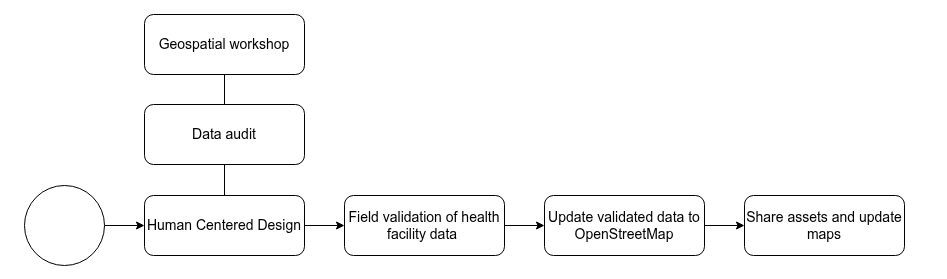
- Define priorities through human-centred design workshops with health workers and district health offices
- Audit existing data across Ministry, NSO, and OpenStreetMap sources — harmonizing facility names and identifying gaps
- Train on the ground — teaching regional health offices QGIS so they can manage their own data
- Validate in the field — recruiting and supporting trusted validators who confirm facility locations and services on the ground
- Feed back to government — all validated data flows back to the Ministry of Health as the validator of record
Our approach is documented in a peer-reviewed open-access paper. Read the methodology (Zenodo, 2023) →
Three ways to engage
Fund a Campaign
Support Emergency Health Mapping in priority regions.
See the Saint Louis campaign results → Support the data collaborative →Subscribe to the API
Access 1.18M+ validated health facility records via our open REST API.
Get free API access → Join the premium tier waitlist →Used for distribution logistics, provider-network verification, and cross-agency coordination.
Start a Partnership
Integrate the healthsites.io data model to validate and publish your national facility list.
Start a conversationWhy institutions choose healthsites.io
- Data sovereignty — the Ministry of Health remains the validator of record
- Open Database Licence — data published under ODbL as a permanent public good
- Interoperability — data model aligned with national HIS and SDG 3.8.1
- Commons governance — anti-capture structure: no single commercial actor controls the shared resource

A Digital Public Good for Health Data Infrastructure
Healthsites.io maintains an open, community-validated registry of 1.18 million health facilities across 204 countries. Our open data adheres to privacy and best practices, does no harm by design, and enables interoperability with national health information systems. Listed in the digital public goods registry.